The First Stock Market Crash Happened in 1637. The Investors Said the Exact Same Things You Heard in 2021.
The First Stock Market Crash Happened in 1637. The Investors Said the Exact Same Things You Heard in 2021.
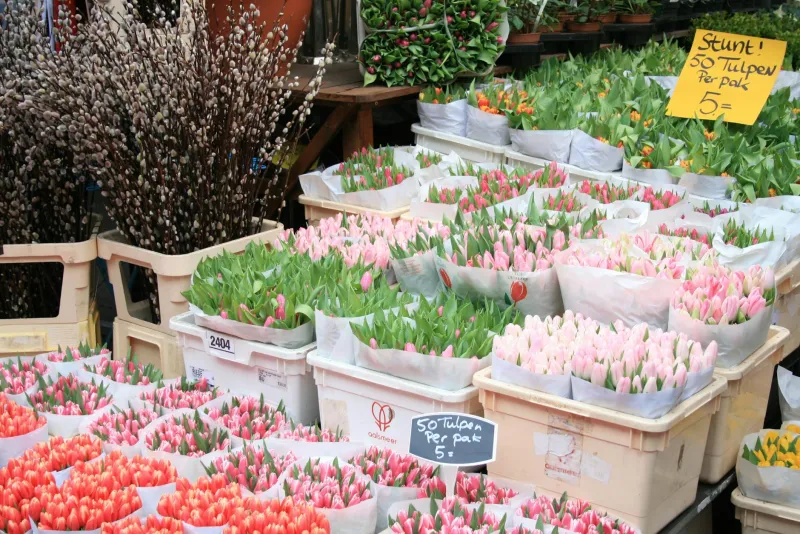
In February 1637, a single tulip bulb sold for the equivalent of a luxury Amsterdam townhouse. By March, the same bulb was worth less than an onion. The world's first recorded speculative bubble had just popped, and the aftermath sounds eerily familiar to anyone who lived through GameStop, AMC, or the great crypto crash of 2022.
The human brain that convinced Dutch merchants to mortgage their homes for flower bulbs is the same one that drove retail investors to YOLO their stimulus checks into meme stocks. The excuses, the blame-shifting, the desperate attempts to rationalize irrational behavior — it's all there in the historical record, written in 17th-century Dutch but speaking the universal language of financial delusion.
When Flowers Became Digital Gold
Tulips arrived in Holland from Turkey around 1593, exotic and beautiful enough to catch the eye of wealthy collectors. By the 1630s, what started as a luxury hobby had morphed into something else entirely: a get-rich-quick scheme that promised ordinary people extraordinary wealth.
Sound familiar? Replace "tulips" with "Dogecoin" and "Dutch merchants" with "Reddit users," and you've got 2021 in a nutshell.
The parallels run deeper than surface similarities. Dutch speculators developed a futures market for tulip bulbs, trading contracts for flowers that wouldn't even bloom until spring. They created elaborate financial instruments, complete with margin trading and leveraged bets. One contemporary observer noted that people were "buying and selling air" — which is basically how Warren Buffett described Bitcoin.
Tavern owners became day traders, selling their businesses to speculate on bulb prices. Farmers mortgaged their land. Even servants and chimney sweeps got in on the action, convinced they'd discovered the secret to generational wealth. The Dutch had invented retail investing, complete with all the overconfidence and under-information that still defines it today.
The Language of Bubbles Never Changes
Here's where it gets really spooky. The things Dutch speculators said in 1637 could be copy-pasted into any GameStop forum from January 2021.
When skeptics warned about unsustainable prices, tulip bulls dismissed them as "bitter" and "jealous." They insisted that traditional valuation methods didn't apply to their revolutionary new asset class. "This time is different," they said — literally. The phrase appears in contemporary Dutch records, translated into English centuries before it became the four most dangerous words in finance.
When prices started falling, the excuses came fast and furious. Market manipulation, they claimed. Foreign interference. The government was in cahoots with wealthy elites to suppress prices and keep ordinary people from getting rich. One pamphlet from 1637 accused "powerful interests" of coordinating attacks on honest tulip traders.
Replace "tulip traders" with "diamond hands" and you've got the post-GameStop conspiracy theories that still circulate on social media.
The Crash and the Cope
The end came suddenly. On February 3, 1637, a routine tulip auction in Haarlem failed to attract buyers. Word spread quickly through the interconnected network of taverns and coffee houses where most trading happened. Within days, panic selling had wiped out fortunes.
The aftermath was a masterclass in cognitive dissonance. Ruined speculators insisted the crash was temporary, that smart money would soon recognize tulips' true value. They organized petitions demanding government intervention to restore "fair" prices. Some refused to sell at all, holding their bulbs through the collapse in what they called "steadfast hands" — the 17th-century equivalent of diamond hands.
Others turned to blame. Pamphlets accused short sellers of spreading false rumors. Foreign agents were supposedly manipulating markets. The wealthy elite had conspired to transfer wealth from honest working people to themselves. Every explanation except the obvious one: they'd been caught up in a speculative frenzy and paid ridiculous prices for intrinsically worthless assets.
The Next Bubble Is Already Forming
Here's the thing about human psychology: it doesn't learn from history. It barely learns from personal experience.
The Dutch tulip crash of 1637 was followed by the South Sea Bubble of 1720, the railway mania of the 1840s, the dot-com boom of the 1990s, the housing bubble of the 2000s, and the crypto/meme stock frenzy of the 2020s. Each generation convinced itself it had discovered something genuinely new and different.
The specific assets change — tulips, railroad stocks, internet companies, houses, cryptocurrencies — but the underlying pattern remains constant. New technology or social change creates genuine opportunity. Early adopters make real money. Success stories spread, attracting more participants. Prices disconnect from fundamentals. Skeptics get shouted down. Then reality reasserts itself, usually overnight.
We're probably in the early stages of the next bubble right now. Artificial intelligence, perhaps, or some technology that hasn't been invented yet. When it comes, the participants will insist their situation is completely different from all those historical bubbles. They'll dismiss skeptics as bitter and jealous. They'll develop elaborate theories about market manipulation when prices inevitably fall.
And they'll sound exactly like Dutch tulip speculators from 1637, because human nature hasn't changed in four centuries. The only difference is the technology we use to convince ourselves we're smarter than our ancestors.
The historical record is clear: there will always be another bubble, and it will always feel different from the inside. The smart money isn't the money that gets in early — it's the money that gets out before everyone else realizes they're trading tulips.