Chronicled Home

Category

Economy

23 articles

The Build Trap: How Great Powers Engineered Their Own Obsolescence

The Build Trap: How Great Powers Engineered Their Own Obsolescence

Every great civilization eventually built something so impressive, so expensive, and so deeply woven into daily life that it became impossible to abandon — even after the world changed and the infrastructure stopped making sense. America is not the first country to face this problem. It might be the last one that can still do something about it.

The Whistleblower Protection Cycle: Four Stages, Zero Surprises, Repeat Forever

The Whistleblower Protection Cycle: Four Stages, Zero Surprises, Repeat Forever

Every major civilization in recorded history has created formal legal protections for people who expose institutional wrongdoing. Every single one of those systems has been quietly gutted within a generation. This isn't a coincidence or a failure of political will — it's a structural pattern that reveals exactly how institutions respond when accountability threatens them from the inside.

Washington Has Been Trying to Tell You Where to Live for 200 Years. It Hasn't Worked Once.

Washington Has Been Trying to Tell You Where to Live for 200 Years. It Hasn't Worked Once.

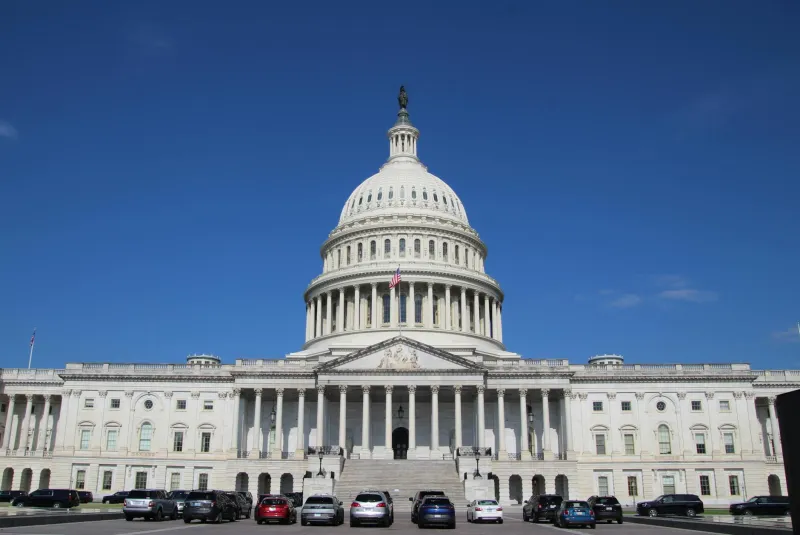
Alaska literally mails its residents a check every year to keep them from leaving. It sounds like a quirky modern experiment — but it's actually the latest chapter in a 200-year federal obsession with engineering where Americans live. The results have been consistent: people move toward opportunity, and policy almost never changes what opportunity means.

When Corporations Got Too Big, History Says Breaking Them Up Never Worked

When Corporations Got Too Big, History Says Breaking Them Up Never Worked

From Roman grain merchants to Standard Oil to today's tech giants, monopolies follow the same playbook — and government responses follow the same script. The historical record suggests antitrust enforcement creates an illusion of action while the real power quietly consolidates elsewhere.

When Ancient Students Went Broke, They Started Revolutions

When Ancient Students Went Broke, They Started Revolutions

From Babylon to Athens to Rome, young people trapped in debt bondage repeatedly triggered the biggest political upheavals in ancient history. The cycle was always the same: education costs spiral, youth debt explodes, society fractures.

Political Polarization Feels Unprecedented. The Record Says Otherwise — Mostly.

Political Polarization Feels Unprecedented. The Record Says Otherwise — Mostly.

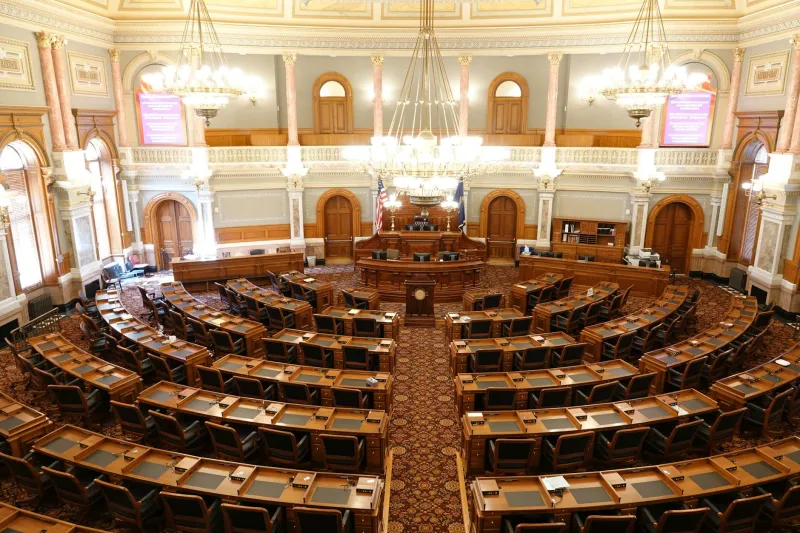
Every era believes its political divisions are uniquely dangerous, from ancient Athens to 1860s America to right now. A look at five thousand years of fracture events reveals the conditions that actually predict collapse versus recovery — and where the US currently lands on that spectrum is both more reassuring and more specific in its warnings than most takes you'll read.

Rome Had a 2008-Style Financial Meltdown. In 33 AD.

Rome Had a 2008-Style Financial Meltdown. In 33 AD.

In 33 AD, Roman speculators overleveraged themselves into oblivion, a liquidity crunch froze credit markets, and the emperor had to authorize an emergency bailout. Sound familiar? The mechanics of financial panic haven't evolved in two thousand years — and knowing that might be the most useful investing advice you'll ever get.

Babylon Tried Rent Control. Here's the 4,000-Year Track Record.

Babylon Tried Rent Control. Here's the 4,000-Year Track Record.

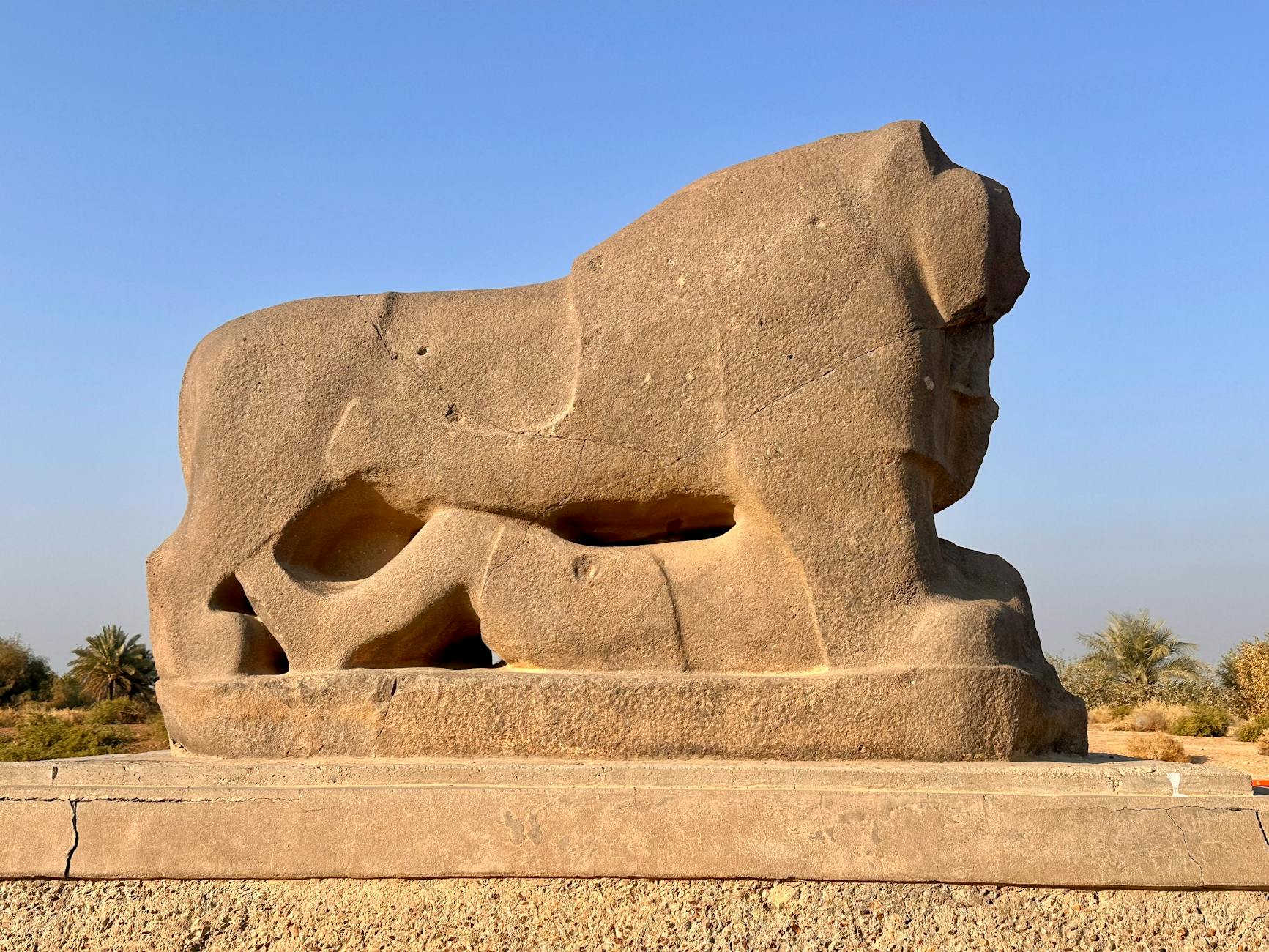
Clay tablets from ancient Mesopotamia, Roman rental disputes, and medieval London tenancy records all document the same crisis: wherever people cluster around economic opportunity, housing becomes unaffordable fast. Societies have been trying to fix this for four millennia, and the historical record is honest about which attempts actually moved the needle.