When Celebrity Endorsements Became Everything, the Vaudeville Economy Crashed — Today's Creators Are Following the Same Script
When Celebrity Endorsements Became Everything, the Vaudeville Economy Crashed — Today's Creators Are Following the Same Script
In 1919, vaudeville star Eva Tanguay was making $3,500 a week — roughly $60,000 in today's money — not from performing, but from endorsing everything from soap to cigarettes. By 1925, she was broke, forgotten, and working small-town theaters for $50 a night. Her crime? The same one that's about to claim today's influencer class: mistaking audience attention for audience loyalty.
 Photo: Eva Tanguay, via playback.fm
Tanguay wasn't alone. The entire vaudeville star system — America's first true influencer economy — built itself on the radical idea that performers could become brands, that stage charisma could sell products, and that audiences would follow their favorite entertainers anywhere. For about a decade, it worked spectacularly. Then it didn't.
The Original Parasocial Economy
The psychology driving vaudeville's influencer boom was identical to what powers today's creator economy. Audiences developed what researchers now call "parasocial relationships" — one-sided emotional connections where fans feel they personally know performers they've never met. Roman pantomime stars had exploited this same phenomenon 2,000 years earlier, turning stage popularity into political influence and commercial endorsements.
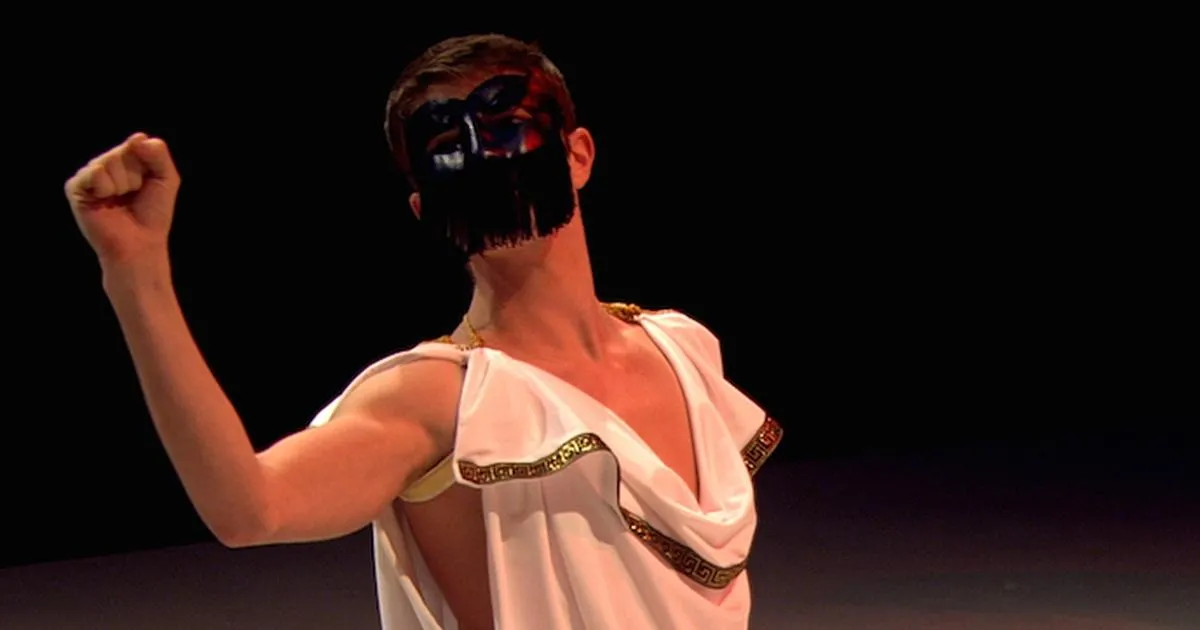 Photo: Roman pantomime, via image.pbs.org
But there's a crucial difference between genuine social bonds and parasocial ones: real relationships can weather disappointment and change. Parasocial relationships, built on performance and maintained through repetition, are brittle. When they break, they break completely.
Vaudeville performers discovered this the hard way. As long as they stayed in their lane — entertaining audiences for two hours in a theater — the parasocial bond held. But when they started leveraging that bond to sell products, offer opinions on politics, or present themselves as lifestyle authorities, something shifted. Audiences began to sense the performance behind the performance.
The Endorsement Trap
The vaudeville endorsement boom followed a predictable pattern. Stars started with products that made sense — performers endorsing makeup, singers promoting sheet music. Success bred expansion. Soon, comedians were selling investment advice and dancers were hawking patent medicines.
Sound familiar? Today's YouTubers follow the same trajectory: gaming content leads to gaming gear sponsorships, which leads to meal kit ads, which leads to cryptocurrency promotions. Each step feels logical in isolation, but collectively they reveal the performer as primarily a salesperson.
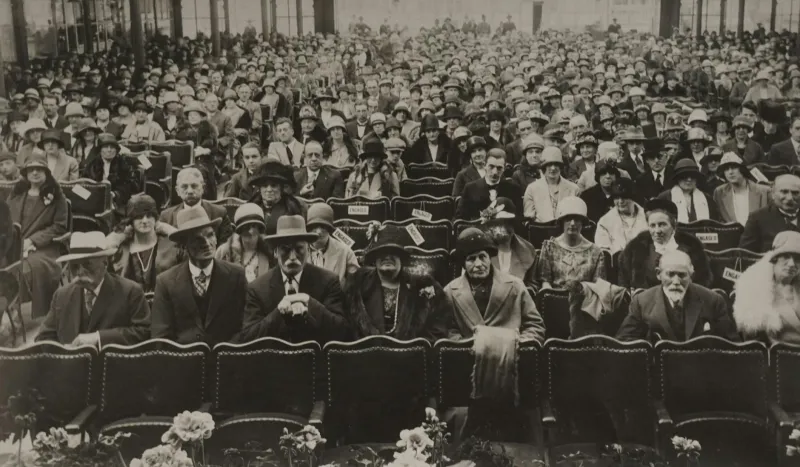
Vaudeville audiences figured this out around 1922. Attendance dropped, not because the performances got worse, but because the relationship felt different. Fans realized their favorite entertainers saw them as customers first, audience second. The parasocial bond — built on the illusion of genuine connection — couldn't survive that recognition.
The Attention Economy's Natural Lifecycle
Historical data from three separate influencer economies — Roman entertainment, vaudeville, and early television — suggests these systems follow a predictable lifecycle. Phase one: genuine talent attracts audiences. Phase two: talent leverages attention for commercial gain. Phase three: commercial focus dilutes the original appeal. Phase four: audiences migrate to newer, less commercialized alternatives.
The timeline varies, but the psychology doesn't. Human beings can only maintain parasocial relationships when they feel authentic. Once the performance becomes obviously transactional, the spell breaks.
This isn't a moral judgment about commercialization — it's a description of how human attention actually works. We're wired to detect when someone is performing friendship versus actually being friendly. Vaudeville stars thought they could fool that detection system indefinitely. They were wrong.
Why This Time Won't Be Different
Today's creator economy shows identical warning signs to vaudeville circa 1920. Top influencers are diversifying beyond their core content into lifestyle brands, investment advice, and political commentary. Audiences are increasingly vocal about feeling "sold to" rather than entertained. New platforms are emerging specifically to provide "authentic" alternatives to established creators.
The defense from today's influencer class also mirrors vaudeville's final years: claims that they're "building real relationships" with audiences, that their endorsements are "authentic recommendations," that the criticism comes from people who "don't understand the new economy."
Vaudeville performers made identical arguments. The Roman pantomime stars probably did too. The pattern suggests this isn't about individual choices but about structural limitations in how parasocial relationships function.
The Historical Verdict
Here's what the data shows: influencer economies collapse when they prioritize monetization over the core talent that created the audience in the first place. The collapse isn't gradual — it's sudden, brutal, and comprehensive. Vaudeville's top earners went from headliners to has-beens in less than two years.
The survivors weren't the biggest stars or the best marketers. They were the performers who maintained clear boundaries between entertainment and salesmanship, who treated their audience relationships as genuine rather than transactional.
That lesson applies whether you're a Roman actor, a vaudeville comedian, or a TikTok creator. Human psychology hasn't changed in 2,000 years. Neither have the rules for maintaining authentic connections with an audience.
The question isn't whether today's influencer economy will follow the same pattern. The question is how many creators will recognize the warning signs in time to adapt.