The Printing Press Broke Europe's Brain for 150 Years — The Internet Is Following the Same Script

When Information Became Cheap, Society Got Expensive
In 1517, a German monk named Martin Luther nailed 95 complaints about church corruption to a door in Wittenberg. Within two months, his rant had been printed and distributed across Europe. Within five years, it had split Christianity permanently and sparked wars that killed millions.
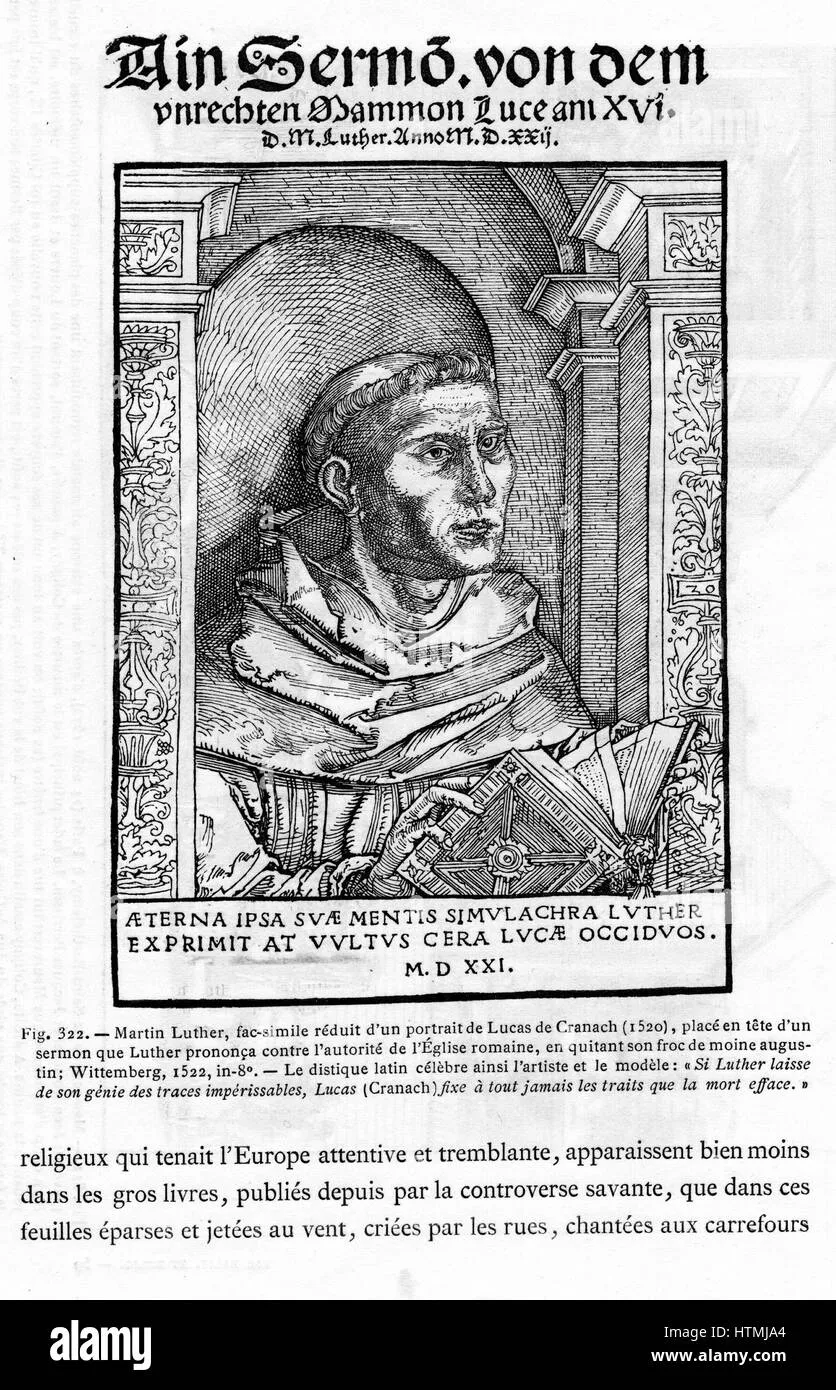 Photo: Martin Luther, via c8.alamy.com
Luther didn't plan to break the world—he just wanted to start a debate. But he'd stumbled into history's first information revolution, and information revolutions don't create rational discourse. They create chaos.
The printing press had made ideas cheap to spread but expensive to verify. Sound familiar?
The Medieval Media Explosion
Before Gutenberg, copying a book required months of work by trained scribes. Information moved slowly, expensively, and through official channels. The Catholic Church, royal courts, and universities controlled what people read because they controlled the means of production.
Then suddenly, anyone with a printing press could flood the market with pamphlets, broadsheets, and books. The cost of spreading ideas dropped by 99%. The barriers to entry vanished. Information democratized overnight.
The result wasn't an enlightened society weighing evidence carefully. It was Europe's version of social media—a flood of competing narratives, conspiracy theories, and inflammatory content designed to go viral in an age when 'viral' meant 'copied by every printing press from London to Prague.'
The Conspiracy Theory Explosion
Within decades of the printing press's invention, Europe was drowning in conspiracy theories that make QAnon look restrained. Catholics published detailed accounts of Protestant plots to murder the Pope. Protestants circulated stories about Jesuit assassins infiltrating royal courts. Both sides printed 'evidence' of satanic rituals, foreign invasions, and apocalyptic prophecies.
The most successful conspiracy theory claimed Jews were poisoning wells, kidnapping Christian children, and controlling both Catholic and Protestant churches simultaneously. Different versions of this theory spread through printed pamphlets across the continent, adapted for local audiences but following the same basic template.
People believed these stories not because they were stupid, but because the stories felt true and came from sources that seemed credible. When your neighbor hands you a printed pamphlet claiming to reveal shocking truths the authorities don't want you to know, how do you fact-check it? You can't Google 16th-century misinformation.
The Filter Bubble Wars
The printing press didn't just democratize information—it fragmented it. Catholics read Catholic books. Protestants read Protestant pamphlets. Different regions developed completely different versions of reality based on what their local printers chose to publish.
This wasn't accidental. Printers quickly figured out that inflammatory content sold better than balanced reporting. Anti-Catholic rants outsold theological treatises. Conspiracy theories moved more copies than scholarly debates. The economic incentives rewarded the most divisive content, just like social media algorithms today.
Regions that had coexisted peacefully for centuries suddenly couldn't agree on basic facts. German Catholics and German Protestants weren't just reading different books—they were living in different realities. When you believe your neighbors are secretly plotting your destruction, peaceful coexistence becomes impossible.
When Everyone Became a Publisher
The printing press created Europe's first influencer economy. Charismatic preachers, political radicals, and self-proclaimed prophets could bypass traditional gatekeepers and build audiences directly. They didn't need institutional support—just access to a printing press and compelling content.
Many of these early influencers were genuinely brilliant. Erasmus, Machiavelli, and Montaigne used print to spread ideas that advanced human knowledge. But for every genius, there were dozens of charlatans spreading medical misinformation, political propaganda, and religious extremism.
The problem wasn't the technology itself—it was the complete absence of quality control mechanisms. Medieval society had developed sophisticated systems for evaluating information when it moved slowly through official channels. When those systems suddenly became irrelevant, people had no framework for distinguishing truth from fiction in the new information environment.
The Thirty Years' War Goes Viral
The information chaos reached its peak during the Thirty Years' War (1618-1648), Europe's deadliest religious conflict. This wasn't just a war between armies—it was a war between competing media ecosystems.
 Photo: Thirty Years' War, via imgcdn.stablediffusionweb.com
Both sides used printing presses as weapons, flooding Europe with propaganda that portrayed the conflict as an apocalyptic struggle between good and evil. Pamphlets described enemy atrocities in gruesome detail, often illustrated with woodcut images designed for maximum emotional impact. Modern war photography has nothing on 17th-century Protestant propaganda.
The information warfare worked too well. Populations became so radicalized that compromise became impossible. Peace negotiations repeatedly failed because each side's supporters had been convinced that any deal short of total victory meant eternal damnation.
By the time the war ended, roughly 8 million people had died—not just from bullets and disease, but from an information environment that made peaceful coexistence literally unthinkable.
How Europe Finally Adapted
The chaos didn't end with a single breakthrough or brilliant innovation. Instead, European society slowly, painfully developed new institutions and cultural norms adapted to the reality of cheap information.
Universities created new methods for evaluating sources and evidence. Governments developed more sophisticated approaches to managing information flow without crushing free expression entirely. Religious leaders learned to compete in the marketplace of ideas rather than relying on monopoly control.
Most importantly, ordinary people developed what we might call 'information literacy'—practical skills for navigating a world where anyone could publish anything. They learned to consider sources, cross-reference claims, and maintain some skepticism toward inflammatory content.
This adaptation process took roughly 150 years and cost millions of lives.
The American Replay
The internet has recreated the exact conditions that broke Europe's brain in the 1500s. Information is cheap to produce and expensive to verify. Anyone can become a publisher. Inflammatory content spreads faster than careful analysis. Different groups live in completely separate information ecosystems.
America's political polarization, conspiracy theories, and tribal conflicts aren't unprecedented—they're predictable. We're following the same script that played out after the printing press, just faster and with better graphics.
The good news is that the script has an ending. European society eventually adapted to the printing press and became more sophisticated at handling information abundance. The bad news is that adaptation took 150 years of religious wars, political upheaval, and social chaos.
The question isn't whether America will adapt to the internet age—it's whether we can learn from Europe's experience and compress the timeline, or whether we're doomed to repeat the full cycle of information-driven social breakdown and gradual recovery.
So far, we're following the historical playbook with remarkable precision. That's not necessarily comforting, but at least we know how the story ends.