When Universities Mass-Produced Graduates Nobody Wanted: The Medieval Education Crash That Predicts Today
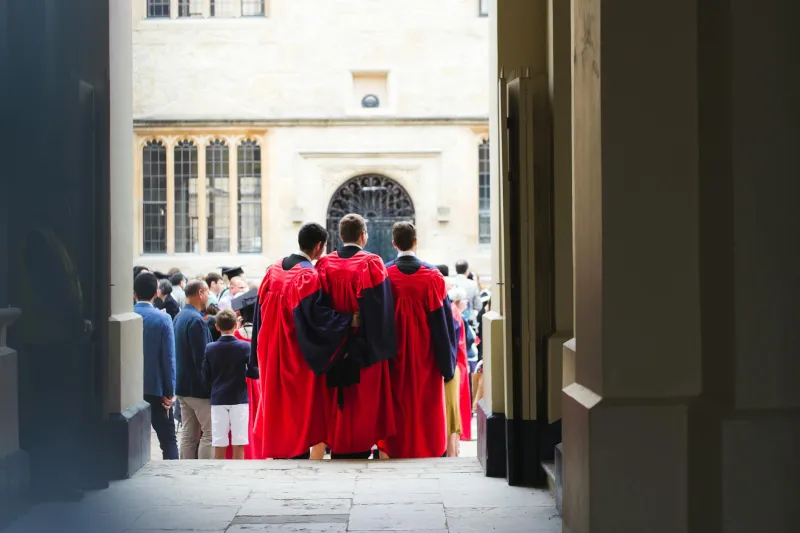
The Degree That Became Worthless
In 1348, as the Black Death ravaged Europe, something else was quietly dying: the value of a university education. Across the continent, thousands of young men clutched their hard-earned degrees while competing for a handful of positions in the Church and royal bureaucracy. Sound familiar?
Medieval universities had done what American colleges would repeat 700 years later—they scaled up production without checking if anyone actually needed the product. Bologna, Paris, and Oxford were churning out Masters of Arts faster than society could absorb them. The result wasn't just unemployment; it was revolution.
When Smart People Can't Find Work
The numbers tell the story. By 1400, the University of Paris alone was graduating over 1,000 students annually into a job market that could support maybe 200 new positions. These weren't the sons of peasants—university education cost serious money. Families mortgaged farms, borrowed against future harvests, and sent their brightest boys to study logic, rhetoric, and theology.
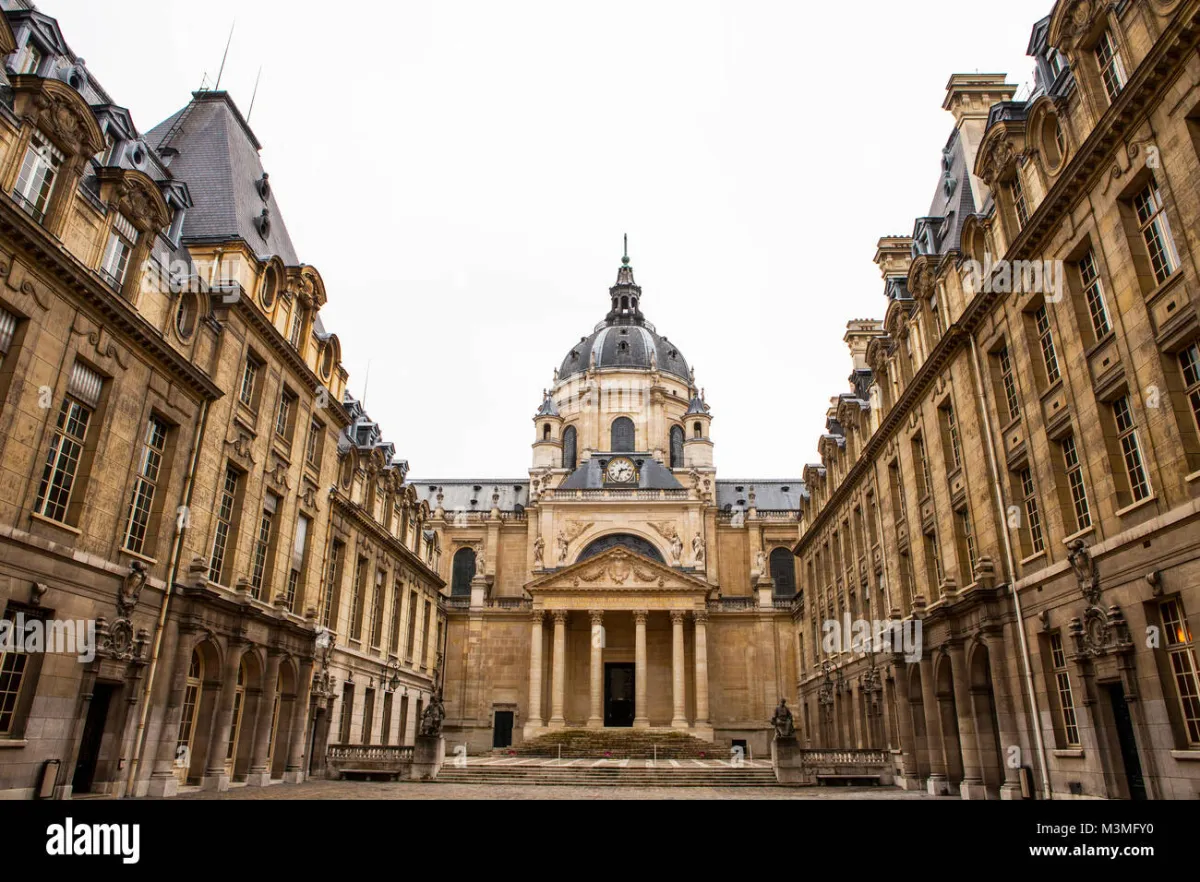 Photo: University of Paris, via c8.alamy.com
What they got back were highly educated young men with massive debts and zero prospects. The medieval equivalent of today's philosophy PhD working at Starbucks was the Master of Arts copying manuscripts for pennies.
But unlike modern graduates drowning their sorrows in avocado toast memes, medieval scholars had a different outlet for their frustration: political rebellion.
The Educated Revolutionaries
John Ball, the radical priest who helped spark England's Peasants' Revolt of 1381, was university-educated. So were many of the intellectual leaders behind the Hussite Wars that tore Bohemia apart for decades. The pattern repeated across Europe: overeducated, underemployed young men became the ideological backbone of every major uprising.
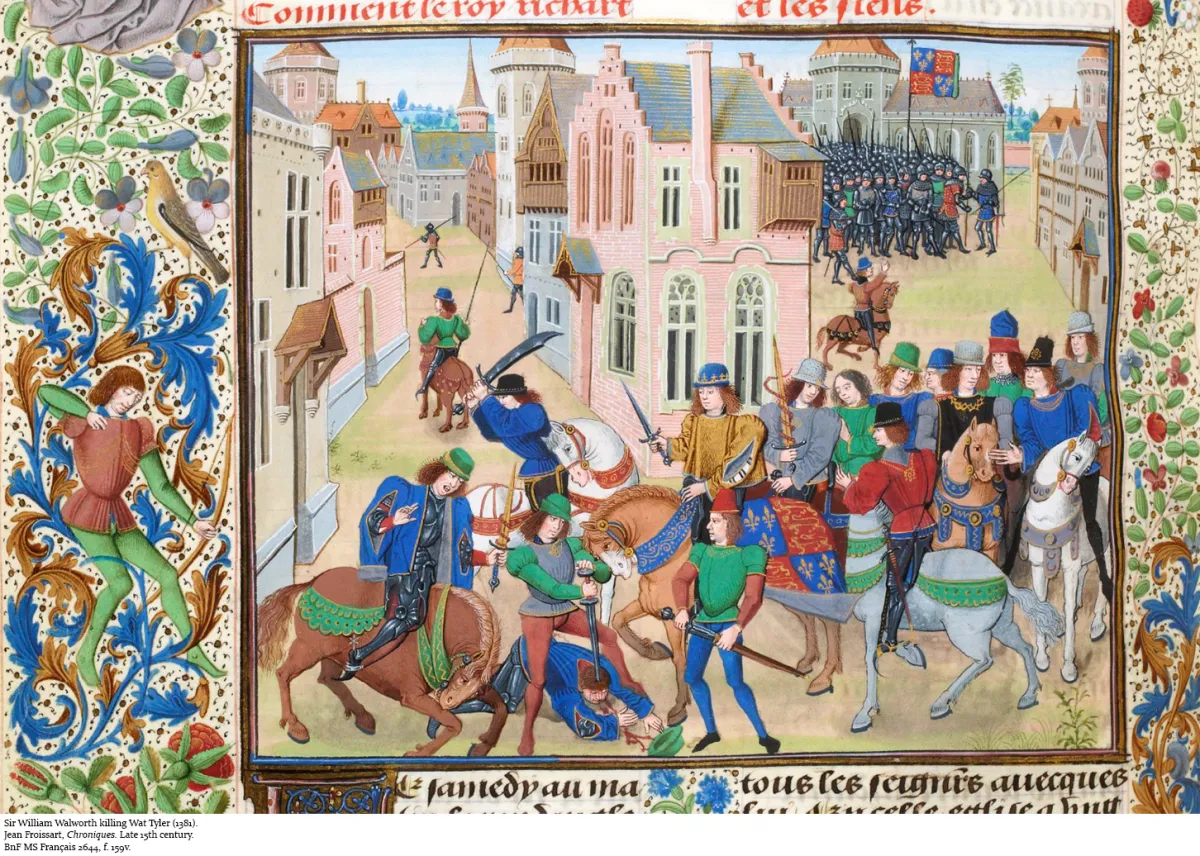 Photo: Peasants' Revolt of 1381, via www.luminarium.org
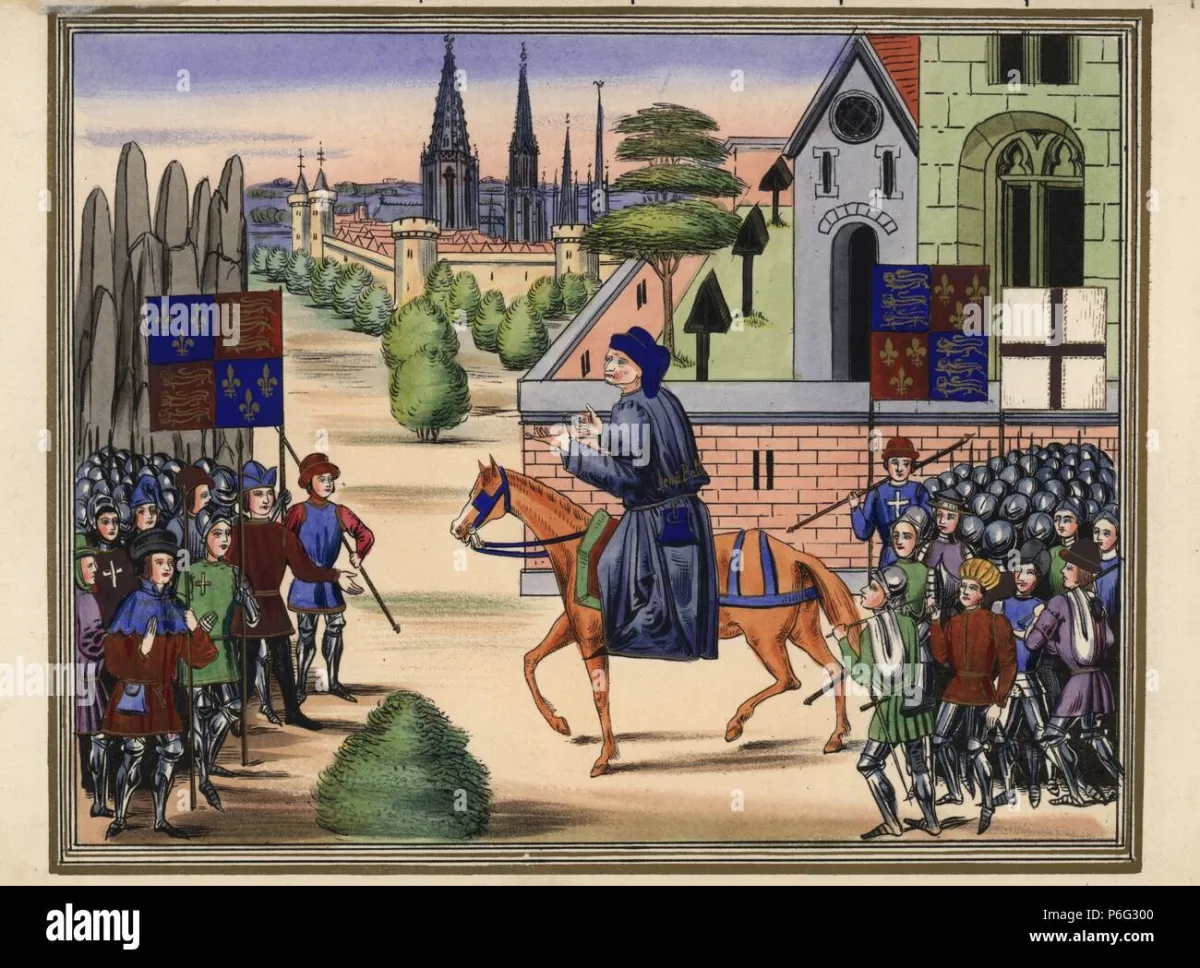 Photo: John Ball, via c8.alamy.com
They had the literacy to write manifestos, the rhetorical training to give speeches, and the social connections to organize resistance. Most importantly, they had nothing left to lose. When your expensive education lands you in debt with no career prospects, burning down the system starts looking reasonable.
The parallels to today's political landscape are unsettling. America's most politically active demographics include the college-educated underemployed—people with degrees working jobs that don't require them, drowning in student debt, and increasingly convinced the system is rigged.
The Credential Inflation Trap
Medieval Europe fell into the same trap America stumbled into around 1970: credential inflation. Jobs that once required basic literacy suddenly demanded university degrees. Royal scribes needed Latin training. Church positions required theological study. Administrative roles called for masters in arts.
The universities responded by expanding rapidly, creating new programs and lowering standards to meet demand. Sound like the explosion of college programs in communications, leisure studies, and other fields of questionable market value?
By 1450, having a university degree in medieval Europe was like having a high school diploma in 1950s America—necessary but not sufficient. The difference was that medieval degrees cost a fortune and took years to complete, just like modern college.
How the Crash Happened
The medieval university bubble didn't burst dramatically—it deflated slowly, then all at once. First, governments stopped creating new administrative positions. The Church, facing its own financial pressures, reduced hiring. Private tutoring markets became oversaturated.
Graduates found themselves competing not just with each other, but with older scholars who'd lost their positions to budget cuts. The lucky ones found work as private secretaries or village schoolmasters. The unlucky ones became what medieval sources called 'scholar-vagrants'—educated drifters moving from town to town, living on charity and growing increasingly bitter.
Universities tried to maintain enrollment by creating even more specialized degrees and extending program lengths. Doctoral degrees, originally rare honors, became routine requirements. The institutions kept extracting tuition while the job market contracted—a business model that should sound depressingly familiar.
The Market Correction
The medieval education bubble finally collapsed during the 15th century, but not because universities reformed themselves. External forces did the job for them. The printing press made literacy more common and cheaper to acquire. New trade routes created different kinds of jobs. Religious reformation broke the Church's monopoly on intellectual careers.
Most importantly, families stopped believing that university education guaranteed prosperity. Enrollment plummeted. Universities closed or merged. The ones that survived had to actually prepare students for jobs that existed, not positions they wished existed.
The correction was brutal but effective. By 1500, European universities were smaller, more focused, and actually useful again.
The American Replay
Today's college debt crisis follows the medieval script with remarkable precision. We've massively overproduced graduates in fields with limited job prospects. We've inflated credential requirements for routine work. We've created a class of educated, indebted young people who feel betrayed by the system they invested in.
The medieval experience suggests this won't end with gentle reform or government intervention. Universities are too invested in the current model to change voluntarily. Like their medieval predecessors, they'll keep expanding programs and extracting tuition until external forces make the business model unsustainable.
The question isn't whether American higher education will face a correction—it's whether we'll learn from the medieval example and manage the transition, or repeat their mistake of letting it drag out for a century while an entire generation pays the price.
History suggests we're not great at learning these lessons the easy way.