The Day Entertainment Became Warfare
January 13, 532 AD started as a normal race day at Constantinople's Hippodrome. By sunset, half the city was on fire and Emperor Justinian was drafting his abdication letter. The spark? A referee's call that favored the Green team over the Blues.
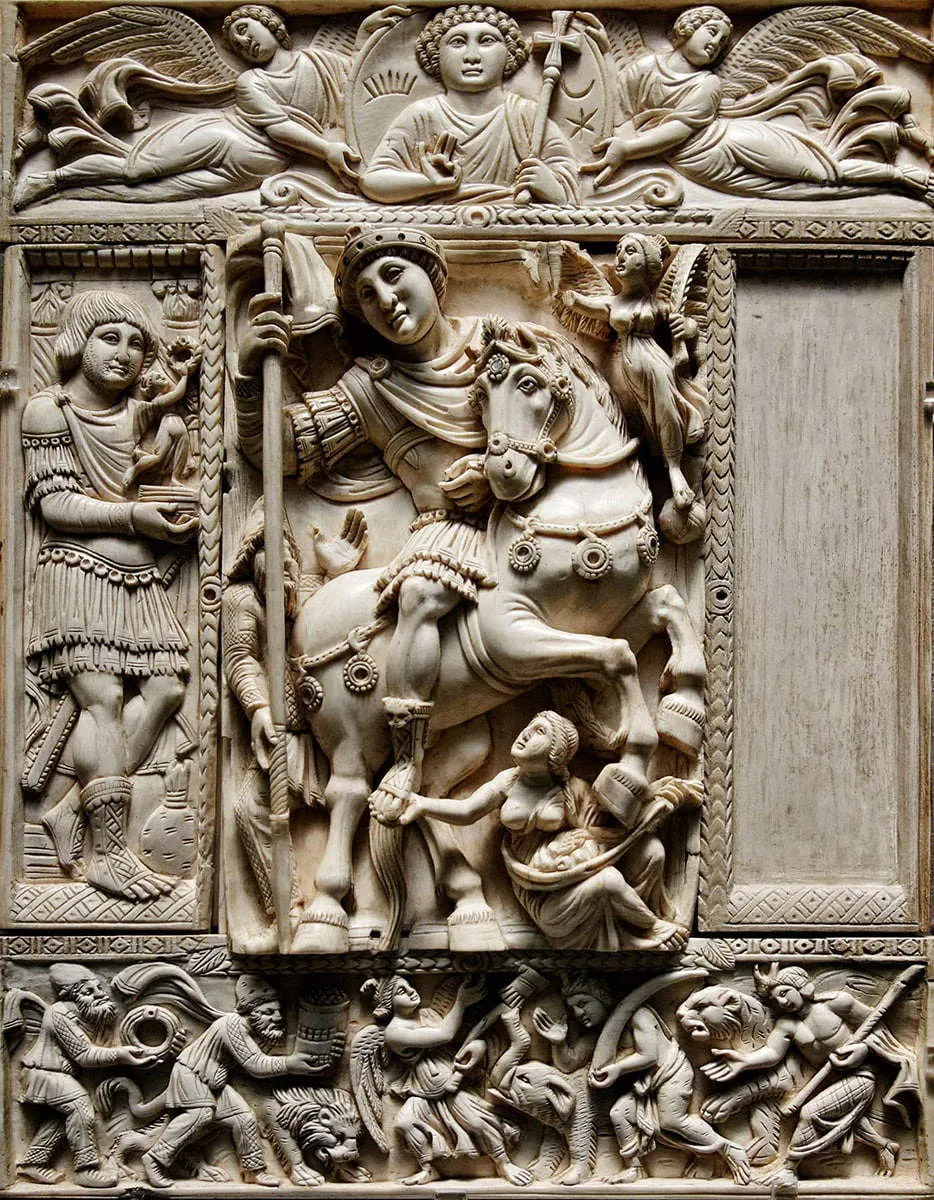 Photo: Justinian, via cdn.thecollector.com
What happened next wasn't just a riot. It was the inevitable endpoint of a process that had been building for decades: the complete fusion of sports fandom with political identity. The Blues and Greens weren't just racing teams — they were proto-political parties with their own neighborhoods, their own militias, and their own ideological positions on everything from theology to tax policy.
Sound familiar?
How Chariot Racing Became Civil War
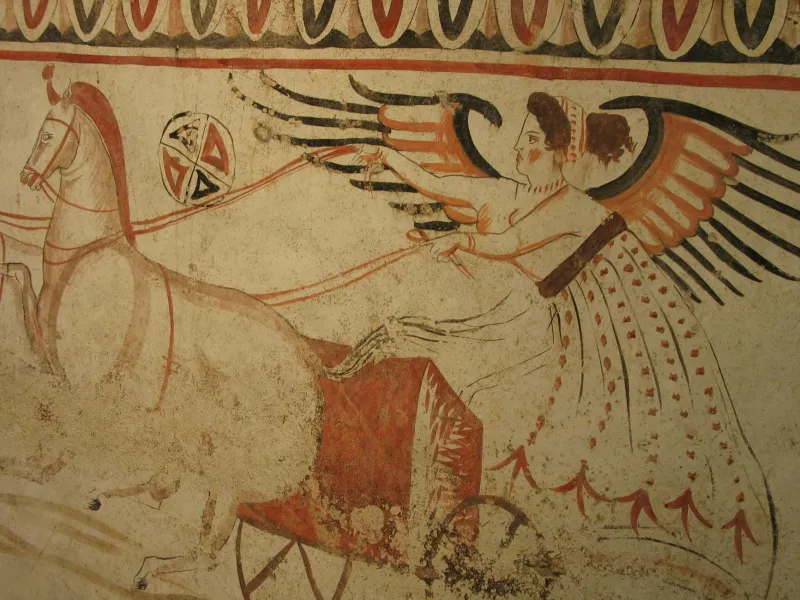
The transformation didn't happen overnight. For three centuries, Byzantine chariot racing had operated like modern American sports — passionate but contained. Fans wore team colors, cheered their drivers, placed bets, and went home.
The shift began when emperors started using the teams as political organizing tools. Need popular support for a military campaign? Get the Blues to chant for it during races. Want to gauge public opinion on a new tax? Watch which team the crowd cheers louder.
Within two generations, team loyalty had metastasized beyond recognition. Blues and Greens lived in separate neighborhoods. They attended different churches. They refused to do business with each other. Children inherited team allegiance like they inherited last names.
By 530 AD, the racing teams had become the Byzantine equivalent of today's political parties — except with gladiator-level physical confrontations built into every public gathering.
The Escalation Pattern Never Changes
The Nika Riots followed a depressingly familiar script. First, a controversial call that both sides interpreted as proof of systemic bias. Then, spontaneous protests that quickly organized into coordinated action. Within hours, the original grievance was forgotten as deeper resentments took over.
The Blues accused the government of rigging races for the Greens. The Greens claimed Blues were trying to overthrow the emperor. Both sides had evidence. Both sides were partly right. Neither side cared about chariot racing anymore.
What started as "Fire the refs!" became "Fire the emperor!" became "Burn down the palace!" The progression took exactly six days.
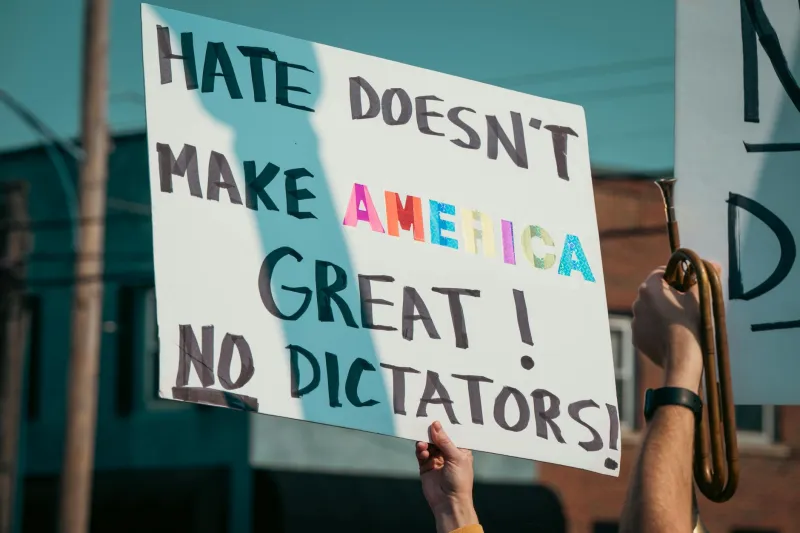
Modern Americans watching political rallies turn violent, sports celebrations become riots, or online arguments escalate into real-world harassment are witnessing the same psychological mechanisms that destroyed Constantinople's civic peace 1,500 years ago.
When Everything Becomes Political, Nothing Works
The most chilling detail about Byzantine team culture wasn't the violence — it was how it poisoned everything else. Trade guilds split along Blue-Green lines. Military units recruited from single-team neighborhoods. Even church attendance became a political statement.
Justinian's government tried to manage this by playing both sides, appointing Blues and Greens to balance each other out. The strategy worked for decades, creating a stable if tense equilibrium.
Until it didn't.
The moment the emperor appeared to favor one side over the other, the entire system collapsed. Not gradually — instantly. The social contract that kept Byzantine civilization functional evaporated in a single afternoon because it had become dependent on maintaining perfect political balance in an inherently unbalanced world.
The American Parallel Isn't Subtle
Today's America hasn't reached Byzantine levels of tribal integration yet, but the trajectory is unmistakable. Political identity increasingly determines where Americans live, shop, work, worship, and socialize. Red and Blue America are becoming separate societies that happen to share geography.
The warning signs are everywhere. Sports leagues taking political stances. Entertainment awards becoming political rallies. Corporate brands forced to choose sides in cultural battles. Even coffee shops and grocery stores becoming political statements.
Most Americans still think this is temporary — that politics will eventually return to being one part of life rather than the organizing principle of all life. Byzantines thought the same thing right up until they were fleeing burning buildings.
What Byzantium Learned Too Late
The Nika Riots ended when Justinian's general Belisarius trapped 30,000 rioters in the Hippodrome and massacred them. The immediate crisis passed, but Byzantine society never fully recovered its civic cohesion.
The lesson wasn't that political passion is dangerous — it was that turning entertainment into politics creates feedback loops that become impossible to control. When sports fans become political soldiers, when team loyalty becomes tribal identity, when every game becomes a battle for the soul of civilization, actual civilization becomes the casualty.
Byzantium survived another 900 years after the Nika Riots, but it never again achieved the cultural confidence and civic unity that had made it great. The empire learned to manage its tribal divisions, but it could never heal them.
America still has time to avoid that fate. But only if we recognize that the choice between entertainment and politics isn't entertainment versus politics — it's civilization versus tribalism.
The Byzantines chose tribalism. We know how that story ends.