
The Beat Goes On, Despite Everything
In 387 BC, Plato wrote that certain musical modes would corrupt young Athenians and should be banned from the ideal republic. In 1955, church groups in Alabama held public burnings of rock and roll records, convinced Elvis was destroying American youth. In 2023, school boards across Texas banned books featuring LGBTQ characters.
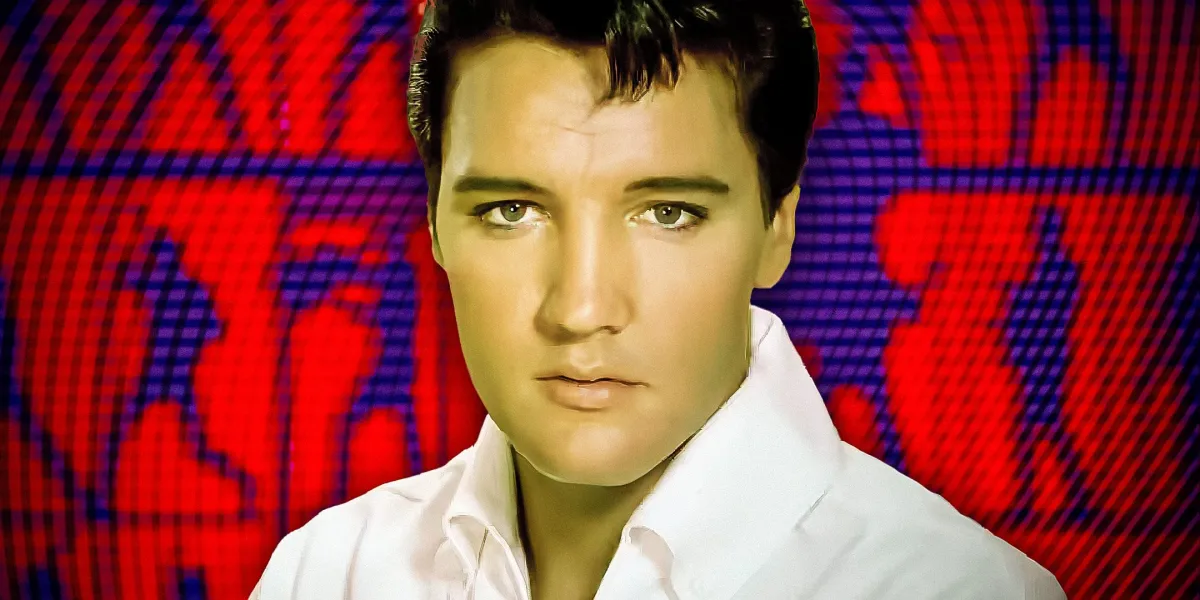 Photo: Elvis, via static1.srcdn.com
 Photo: Plato, via pics.craiyon.com
Same script, different century. The details change — the instruments, the dances, the books — but human psychology doesn't. Every generation produces adults who believe the new art form will destroy civilization, and every generation of young people proves them spectacularly wrong by growing up just fine.
The historical record on this couldn't be clearer: moral panics over artistic expression have a 100% failure rate. Not 99%. One hundred percent. Yet we keep running the same play, as if this time will somehow be different.
The Medieval Dance Floor Police
Take medieval Europe's war on dancing. Church authorities spent three centuries trying to stop peasants from dancing, issuing decree after decree condemning various folk dances as "occasions of sin." The clergy had legitimate concerns — harvest festivals often involved drinking, mixed-gender dancing, and what we'd now call hookup culture.
But here's what's fascinating: the harder church authorities cracked down, the more elaborate the dances became. Banned from church grounds, villagers moved to forests and fields. Forbidden to dance in groups, they invented couple dances. Prohibited from touching, they developed intricate hand-clapping routines.
By 1400, European folk dance was more sophisticated and widespread than it had been in 1200, before the crackdowns began. The suppression didn't eliminate the behavior — it drove innovation.
The Jazz Age Panic Machine
Fast-forward to 1920s America, where jazz triggered the exact same response pattern. The New York Times called jazz "a return to the humming, hand-clapping, and stamping of the Negro plantation." Ladies' Home Journal warned that jazz dancing would lead to "the breakdown of morality."
Cities across the country banned jazz in dance halls. Church groups organized boycotts. Police raided clubs. And jazz exploded into the most influential American art form of the 20th century, spawning everything from swing to bebop to rock and roll.
The crackdown failed for the same reason medieval dance bans failed: prohibition creates scarcity, scarcity creates value, and value drives innovation. When you can't get something easily, you want it more. When authorities say it's dangerous, young people hear "exciting."
The Rock and Roll Witch Hunt
The 1950s rock panic followed the script so precisely it reads like a playbook. Religious leaders called it "the devil's music." Psychiatrists warned it would cause juvenile delinquency. Radio stations banned Elvis. Cities prohibited rock concerts.
The result? Rock became the soundtrack of American rebellion for the next seven decades. The kids who weren't supposed to listen to Elvis grew up to be the parents buying Beatles albums, then the grandparents attending their grandchildren's rap concerts.
Each generation's forbidden fruit becomes the next generation's background music. It's so predictable you could set your watch by it.
Why the Pattern Never Breaks
The reason these moral panics keep failing isn't mysterious — it's basic human psychology. Art serves fundamental social functions that can't be legislated away. Young people need ways to establish identity separate from their parents. Communities need outlets for emotional expression. Cultures need mechanisms for processing change.
When authorities try to eliminate those outlets, humans don't stop needing them. They just find new ones, usually more rebellious than the originals.
There's also what psychologists call the "forbidden fruit effect." Telling someone they can't have something makes them want it more, not less. Every parent who's ever tried to ban a toy knows this, yet somehow we forget it when scaling up to entire art forms.
The Current Panic Cycle
Today's moral panic targets are video games, social media content, and certain books. The concerns sound reasonable — addiction, inappropriate content, age-inappropriate material. The proposed solutions sound familiar too — bans, restrictions, age verification requirements.
History suggests these efforts will fail for exactly the same reasons their predecessors did. The kids supposedly being protected will find workarounds. The content will evolve to evade restrictions. And in twenty years, today's forbidden media will seem as quaint as parents who thought jazz would destroy civilization.
The Only Thing That Actually Works
Here's the twist: while prohibition always fails, education and engagement sometimes work. Medieval guilds that taught young people music and dance within community structures didn't have rebellion problems. Jazz schools that channeled musical energy into skill-building created generations of professional musicians. Parents who learned about rock and roll instead of just condemning it maintained better relationships with their teenagers.
The historical pattern is clear: you can't stop new art forms, but you can shape how they develop. The choice isn't between corruption and purity — it's between engagement and irrelevance.
Every generation gets to choose whether they'll be the adults who adapt to change or the ones history remembers for trying to hold back the tide. The smart money has always been on the tide.