When Sarah Bernhardt Sold Cold Cream
In 1885, Sarah Bernhardt was the world's most famous actress — and America's most prolific product endorser. The "Divine Sarah" hawked everything from cold cream to corsets, lending her celebrity to patent medicines that promised to cure tuberculosis, depression, and female hysteria.
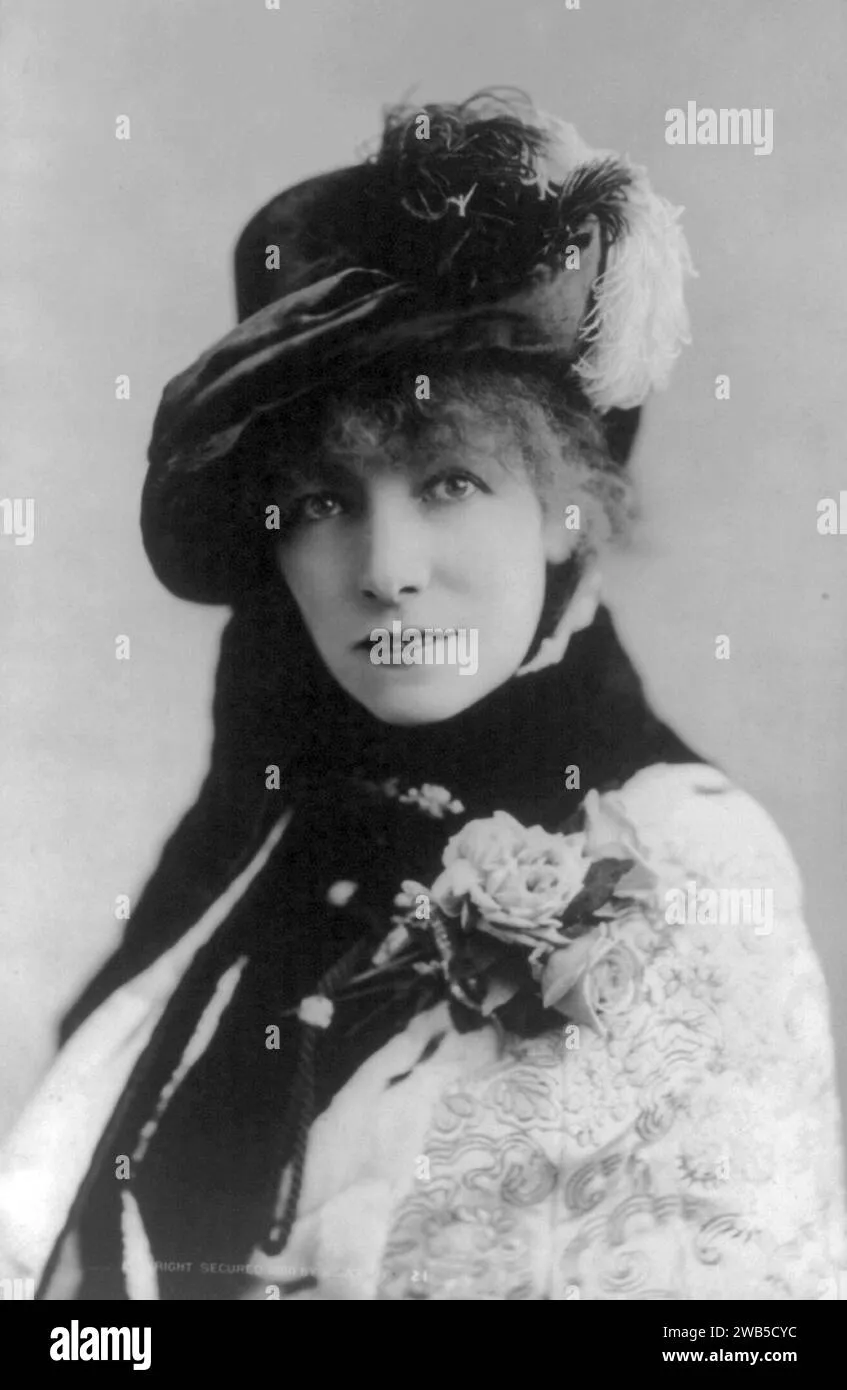 Photo: Sarah Bernhardt, via c8.alamy.com
Bernhardt didn't use any of these products. Everyone knew it. She endorsed them anyway, and audiences bought them anyway, creating America's first celebrity-driven consumer economy.
Then, in 1891, it all collapsed.
The crash wasn't gradual. Within eighteen months, celebrity endorsements went from marketing gold standard to public punchline. Magazines that had built their business models on paid testimonials folded. Patent medicine empires worth millions became worthless overnight.
What killed the first influencer economy wasn't regulation or competition — it was the same force destroying trust in today's creator economy: audiences finally stopped pretending they believed the game was real.
The Original Influencer Infrastructure
The 1880s celebrity endorsement industry was remarkably sophisticated. Agencies specialized in matching stars with products. Magazines developed content formats that blurred advertising and editorial. Celebrities hired managers to negotiate endorsement contracts and protect their "brand integrity."
The system even had its own version of engagement metrics. Publishers tracked which celebrity endorsements generated the most reader mail, subscription renewals, and product sales. They discovered that audiences responded more to personality than expertise — a finding that would have surprised exactly no one in 2024.
Like today's influencer economy, the 1880s version ran on manufactured authenticity. Celebrities wrote "personal testimonials" they'd never seen about products they'd never tried, describing transformations that never happened. The audience understood this was performance, but the performance felt real enough to drive purchasing decisions.
Until it didn't.
The Trust Erosion Timeline
The collapse followed a predictable pattern that data scientists would recognize today. First came isolated scandals — a celebrity caught using a competitor's product, a testimonial that contradicted basic medical knowledge, a endorsement deal exposed as purely transactional.
Each scandal individually was survivable. The celebrity would issue a clarification, the magazine would run a correction, the audience would move on. But the scandals accumulated faster than trust could rebuild.
By 1889, satirical magazines were running regular features mocking celebrity endorsements. Vaudeville acts included sketches about actresses selling snake oil. The cultural conversation had shifted from "Which celebrity should I trust?" to "Why would anyone trust any celebrity?"
The tipping point came when multiple celebrities were caught endorsing directly competing products in the same month. Sarah Bernhardt promoted rival cold creams in consecutive magazine issues. Lillie Langtry endorsed three different "miracle" weight loss tonics simultaneously.
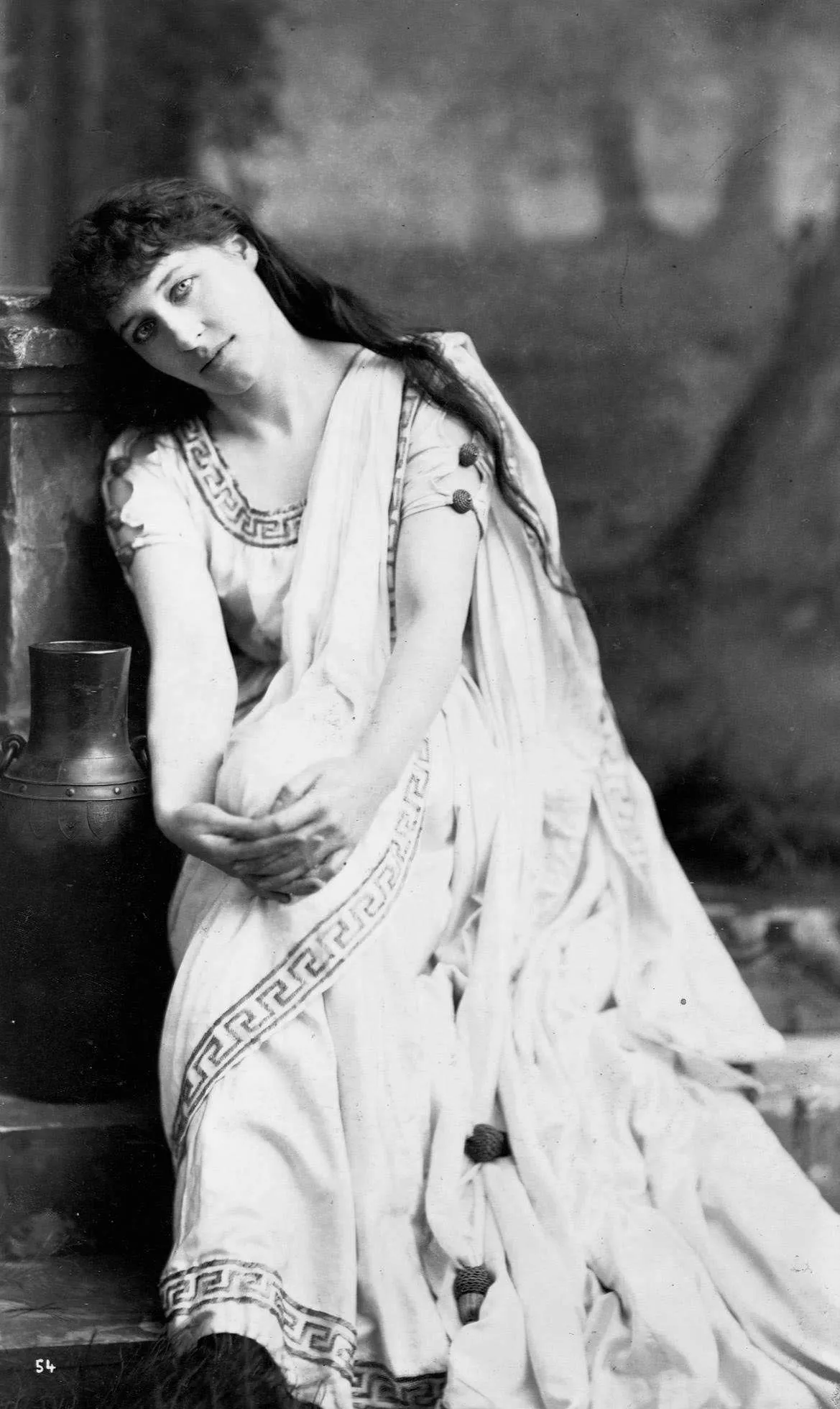 Photo: Lillie Langtry, via vintageshowbiz.com
The audience's suspension of disbelief finally snapped.
The Structural Similarities Are Uncomfortable
Today's creator economy follows the same playbook with digital tools. Influencers promote products they don't use to audiences who know they don't use them. The FTC requires disclosure, but "#ad" has become as meaningless as the fine print on 1880s testimonials.
The metrics are more sophisticated — engagement rates, conversion tracking, audience demographics — but the fundamental transaction remains unchanged: celebrities rent their credibility to brands in exchange for money, and audiences pretend to believe the relationship is authentic.
Most tellingly, the trust erosion timeline looks nearly identical. Isolated influencer scandals have been accumulating since 2018. Cultural criticism of "authentic" endorsements has become mainstream entertainment. The conversation has shifted from "Which influencer should I trust?" to "Why would anyone trust any influencer?"
We're approximately where the 1880s celebrity economy was in 1889 — past the peak, but before the crash.
The Patent Medicine Parallel
The 1880s endorsement economy was built on patent medicines, which promised miraculous cures with zero scientific evidence. Today's version runs on supplements, wellness products, and lifestyle brands that make similarly unverifiable claims about transformation and optimization.
The psychological appeal is identical: buying the right product will make you more like the celebrity endorsing it. The 1880s audience believed Sarah Bernhardt's cold cream would give them her complexion. Today's audience believes a YouTuber's protein powder will give them their physique.
Both eras produced the same cycle: initial enthusiasm, gradual skepticism, mounting evidence of deception, sudden collective disbelief.
The 1890s collapse wasn't triggered by government regulation — the Pure Food and Drug Act didn't pass until 1906. It was triggered by audiences realizing they'd been paying for promises that couldn't be kept by people who'd never tried to keep them.
The Cascade Effect
When trust collapsed in the 1890s, it didn't happen gradually. The celebrity endorsement industry operated on network effects — each endorsement's credibility depended on the system's overall credibility. When that foundation cracked, everything built on it crumbled simultaneously.
Magazines that had built their revenue models on endorsement advertising couldn't pivot fast enough. Celebrities who'd become dependent on endorsement income found their earning power eliminated overnight. Even legitimate products suffered because association with celebrity endorsement became toxic to consumer trust.
The recovery took decades. Celebrity endorsements didn't become culturally acceptable again until the 1920s radio era, and even then, they operated under much stricter credibility standards.
The Modern Warning Signs
Today's creator economy shows every symptom that preceded the 1890s collapse. Audiences increasingly treat influencer content as entertainment rather than advice. Satirical content about "authentic" endorsements generates more engagement than the endorsements themselves. Multiple creators are caught promoting competing products without disclosure.
Most significantly, the economic incentives that drove the 1880s crash are identical today. As advertising revenue becomes more competitive, creators take increasingly questionable endorsement deals. As audiences become more skeptical, brands demand more aggressive promotional content. As trust erodes, everyone doubles down on the behaviors that caused the erosion.
The 1890s timeline suggests this escalation phase lasts about four years from peak to crash. If 2020 was peak creator economy trust, we're currently in year four.
What Comes After the Crash
The 1890s collapse didn't kill celebrity culture or advertising — it forced both industries to develop more sustainable models. The celebrities who survived were those who'd maintained clear boundaries between their artistic work and commercial endorsements. The magazines that survived were those who'd invested in editorial credibility beyond celebrity content.
The lesson isn't that influencer marketing is doomed — it's that the current model is unsustainable in exactly the same ways the 1880s model was unsustainable.
History suggests the solution isn't better disclosure or smarter algorithms. It's accepting that audiences eventually stop believing performances that ask them to believe too much.
The creators who'll survive the coming crash are probably the ones preparing for it now.