Ancient Rome Had Instagram — The Pompeii Walls Tell the Whole Story
Ancient Rome Had Instagram — The Pompeii Walls Tell the Whole Story
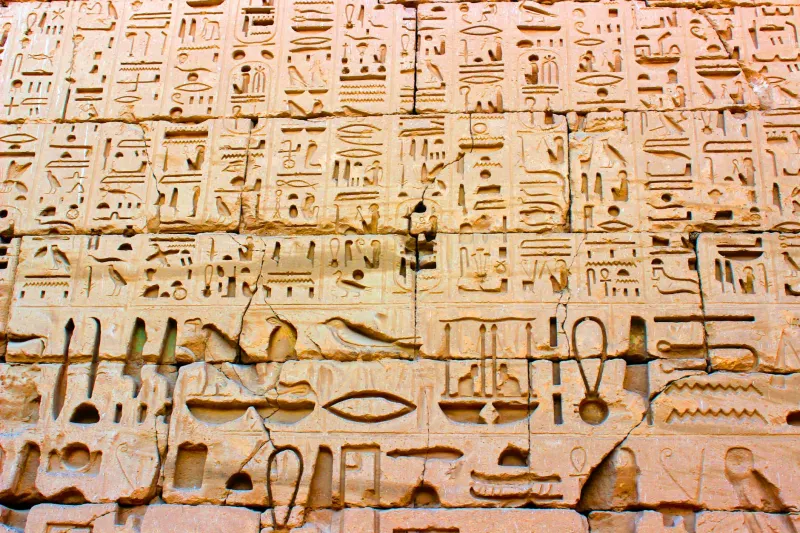
When Mount Vesuvius buried Pompeii in 79 AD, it preserved something more valuable than frescoes and mosaics: humanity's first documented social media network. Scratched into walls across the city, archaeologists have found over 11,000 pieces of graffiti that read like a Roman Twitter feed — complete with sponsored content, personal branding, and viral takedowns.
The similarities aren't coincidental. Human psychology hasn't changed in two millennia, and neither has our hunger for attention, influence, and social status. What's different is that Romans carved their posts in stone, giving us a permanent record of how influence economies work when there's no delete button.
The Original Influencer Playbook
Roman graffiti wasn't random vandalism. It was strategic communication, and the patterns match modern social media marketing almost perfectly. Take Aemilius Celer, a gladiator whose name appears on walls throughout Pompeii — always with the same tagline: "Aemilius Celer, the girls' heartthrob." Sound familiar? It's the same personal branding strategy used by every fitness influencer on Instagram.
The walls show clear evidence of paid promotion. Merchant advertisements appear in prime locations — near the forum, along busy streets, at theater entrances. These weren't casual recommendations; they were purchased endorsements. One bakery owner, Marcus Cerrinius Restitutus, had his name and products promoted across multiple high-traffic walls, suggesting an organized campaign.
Politicians perfected the art of influence even earlier. Campaign graffiti for local elections reads like modern social proof: "The goldsmiths recommend Gaius Julius Polybius for mayor" or "All the fruit sellers support Marcus Holconius Priscus." These weren't grassroots movements — they were coordinated endorsement campaigns designed to signal broad support.
When Followers Turn Into Haters
Roman influencers also dealt with the dark side of public attention. The walls of Pompeii contain brutal character assassinations that would fit perfectly in a modern cancel culture controversy. One unfortunate politician named Marcus Cerrinius Vatia was targeted with graffiti calling him "a thief" and worse — accusations that appear repeatedly across the city, suggesting an organized smear campaign.
Gladiators faced similar backlash. While some like Aemilius Celer cultivated positive brands, others were ruthlessly mocked. Graffiti artists created elaborate insults about fighters' performance, appearance, and personal lives. The walls preserve both sides of ancient celebrity culture: the worship and the inevitable backlash.
The psychology matches modern social media perfectly. Romans used the same tactics we see today — repetition for visibility, strategic placement for maximum impact, and coordinated campaigns to amplify messages. The only difference was the medium.
The Attention Economy, Carved in Stone
What makes Pompeii's graffiti remarkable isn't just its preservation — it's the evidence of systematic attention-seeking behavior. Romans understood that visibility equaled influence, and influence meant power, money, and social status. They gamed the system just like modern creators do.
Location mattered enormously. Prime wall space near the amphitheater or forum was the Roman equivalent of trending topics. Messages placed there reached the most eyes, so competition for those spots was fierce. Archaeologists have found layers of graffiti where new messages were carved over old ones — the ancient version of content refreshing.
The Romans even developed primitive analytics. Political graffiti often included vote counts or crowd size estimates, suggesting campaigns tracked their reach and engagement. Merchant advertisements frequently mentioned specific products or services, indicating they measured which messages drove business.
What Two Millennia of Data Actually Shows
Studying Pompeii's walls alongside modern social media reveals consistent patterns in human behavior across time and technology. People seek attention, build personal brands, form tribes around shared interests, and use whatever tools available to amplify their voices.
The Roman system had one crucial difference: permanence. When you carved something into stone, it stayed there. This created natural consequences for bad behavior that modern platforms struggle to replicate. Romans had to think carefully about their public statements because they couldn't delete them later.
This permanence also preserved authentic human behavior in ways that modern digital platforms can't match. We can see how ordinary Romans actually communicated when they thought no one important was watching — and it looks remarkably similar to how we communicate today.
The Same Playbook, Different Tools
The graffiti of Pompeii proves that social media didn't create influencer culture — it just made it faster and more scalable. Romans were running personal branding campaigns, coordinating promotional content, and building follower bases using stone walls and metal styluses. The psychology was identical; only the technology was different.
This matters because it shows that our current social media problems aren't caused by the platforms themselves. They're caused by fundamental aspects of human nature that have existed for millennia. Romans dealt with fake endorsements, coordinated harassment campaigns, and attention-seeking behavior long before Mark Zuckerberg was born.
The walls of Pompeii offer something modern social media can't: a complete historical record of how influence economies actually work over time. Every post is still there, every campaign can be analyzed, and every trend can be tracked from beginning to end. It's the most comprehensive social media dataset in human history — carved in stone and preserved by volcanic ash.
Turns out the first rule of social media has always been true: content is king, but distribution is everything. Romans just used chisels instead of algorithms.